Minimalist Black and White Logo Design for a Strong Brand Identity
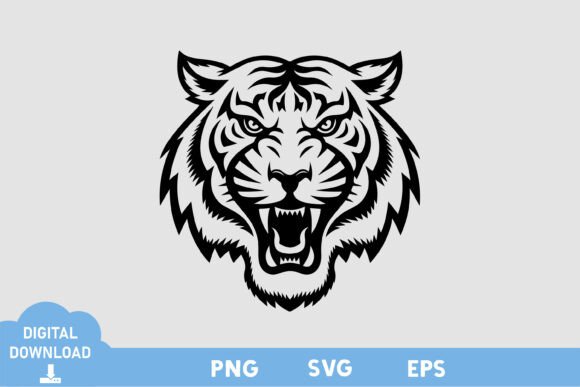
In today’s fast-paced digital world, businesses are constantly looking for ways to stand out. One of the most effective tools in building a recognizable brand is a well-designed logo. The Tiger Black White Design offers a minimalist yet impactful black and white logo solution that can elevate your brand’s visual identity without overwhelming your audience.
What Is Tiger Black White Design?
Tiger Black White Design refers to a style of logo creation that focuses on simplicity through the use of only two colors: black and white. This design approach leverages clean lines, bold shapes, and strategic negative space to create a visually striking image that communicates professionalism and modernity. Unlike colorful logos, black and white designs emphasize form and contrast, making them highly versatile across different media and applications.
Why Consider a Black and White Logo?
A black and white logo may seem like a basic choice, but it carries several strategic advantages. First, it ensures clarity at any size or resolution—perfect for everything from business cards to billboards. Second, it maintains consistency across various platforms, especially when color accuracy might be an issue. Finally, a minimalist black and white logo often evokes a sense of sophistication and timelessness, which can be particularly appealing for brands aiming for a mature or professional look.
Key Benefits of Tiger Black White Design
- Diverse File Formats: These logos come in multiple formats such as AI, EPS, JPG, PNG, PDF, and SVG. This flexibility allows you to edit and integrate the logo into various design software with ease.
- High Resolution: With a large dimension of 2838 x 2845 pixels, the logo remains crisp and clear even when printed on physical items like t-shirts, mugs, tote bags, or posters.
- Transparent Background: The availability of transparent and white backgrounds makes it simple to place the logo on any background without worrying about color clashes or formatting issues.
- Customizability: Thanks to vector files (AI and EPS), you can easily modify elements like size, shape, or add color if needed later, allowing the logo to evolve with your brand.
When Is It a Good Fit?
If your brand values minimalism, versatility, and timeless aesthetics, then the Tiger Black White Design could be an excellent fit. It is especially suitable for industries like fashion, technology, education, and startups where a sleek and modern appearance is key. For instance, a clothing line wanting to print logos on white T-shirts will benefit from the high contrast and clean lines offered by this design. Similarly, tech companies often prefer monochrome logos to project a sense of innovation and focus.
Situations Where It Excels
- Brands launching new ventures and seeking a clean, professional look.
- Products requiring logos to be printed on dark or light-colored materials.
- Websites and marketing materials where color schemes are already defined or where a neutral tone is preferred.
- Businesses looking to maintain a consistent visual identity across both digital and physical mediums.
Considerations and Tradeoffs
While black and white logos offer many benefits, they also come with certain limitations. For example, some industries thrive on vibrant branding, and a lack of color may not align with their target audience's expectations. Additionally, while the minimalist style is advantageous for recognition, it might not convey the same emotional resonance as a more colorful or detailed logo. Therefore, it’s essential to evaluate whether your brand’s personality and market positioning support a monochrome aesthetic.
Another consideration is how well the design works in grayscale. Some logos rely heavily on color to differentiate elements, and converting those to black and white could result in a loss of detail or meaning. A Tiger Black White Design should inherently function well in these conditions before being finalized.
Alternatives to Explore
Although a black and white logo can be powerful, there are scenarios where other design approaches might be better suited. For instance:
- Color-Based Logos: If your brand identity is closely tied to specific colors or emotions associated with those colors, a colored logo might be more appropriate.
- Abstract or Symbolic Designs: In some cases, a symbol or abstract graphic might be more memorable than a literal representation like a tiger.
- Typography-Centric Logos: Brands that want to emphasize their name over imagery might find a typographic logo more fitting.
Evaluating your industry norms, brand message, and customer preferences can help determine whether sticking with a black and white approach is ideal or if another direction might serve your goals better.
Practical Tips for Choosing the Right Design
Here are some practical insights to guide your decision-making process:
- Test Across Media: Before finalizing the logo, try placing it on different surfaces and backgrounds to ensure it looks good in all contexts.
- Seek Feedback: Get opinions from stakeholders, customers, or designers to understand how the logo is perceived and whether it supports your brand messaging.
- Plan for Scalability: Ensure the design is legible at small sizes, such as on social media icons or mobile displays, as well as large-scale prints.
- Align with Branding Guidelines: Make sure the logo complements your overall brand strategy, including fonts, colors, and visual themes used elsewhere.
Final Thoughts
The Tiger Black White Design presents a compelling option for businesses looking to establish a strong, clean, and adaptable brand identity. Its minimalist nature supports quick recognition, and its compatibility with various formats and resolutions makes it highly functional. However, it’s important to weigh these benefits against your brand’s unique needs and objectives.
For those who prioritize simplicity, professionalism, and adaptability, the Tiger Black White Design could be the perfect foundation for a distinctive and memorable brand presence. But for others whose brand relies on color storytelling or symbolic complexity, exploring alternative logo styles might be necessary.